

Shandong Yuhong Valve Co., Ltd. is one of the most reliable manufacturers and suppliers of self-operated pressure control valve in China. We have world-leading production equipment and strong manufacturing capabilities. Welcome to wholesale bulk high-grade self-operated pressure control valve from our factory.
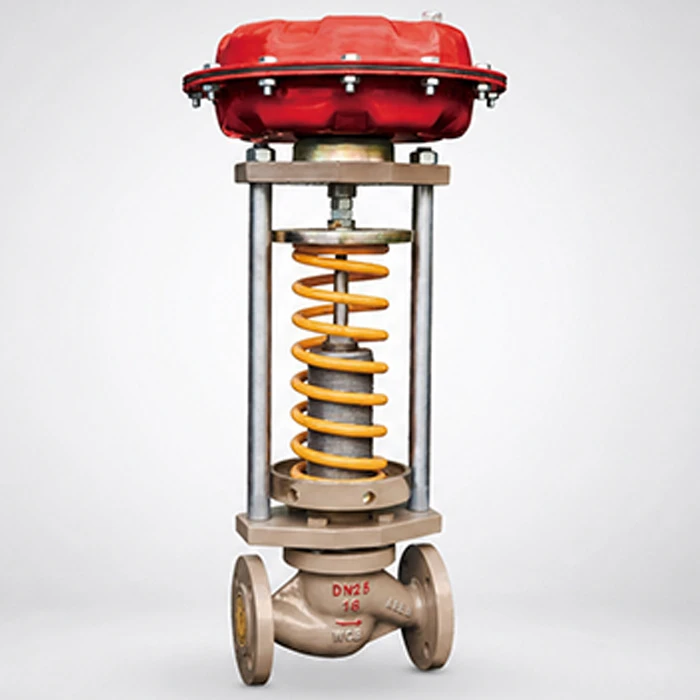
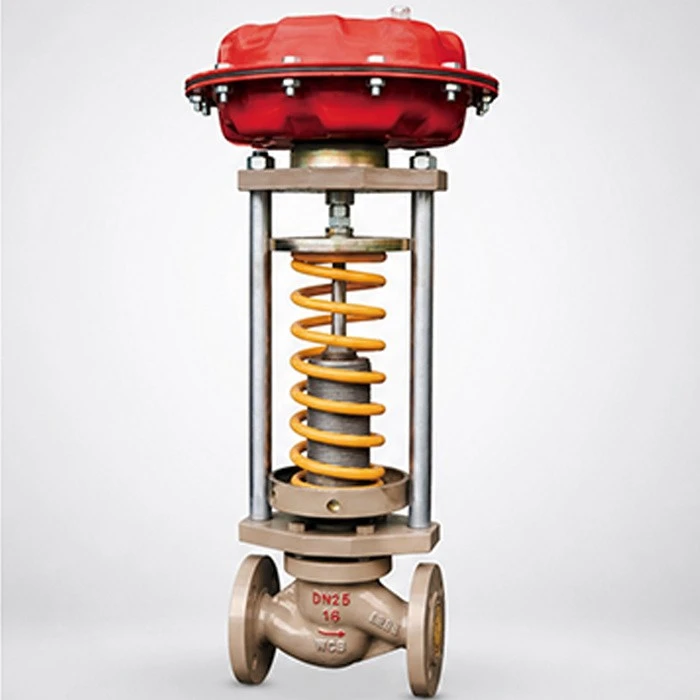
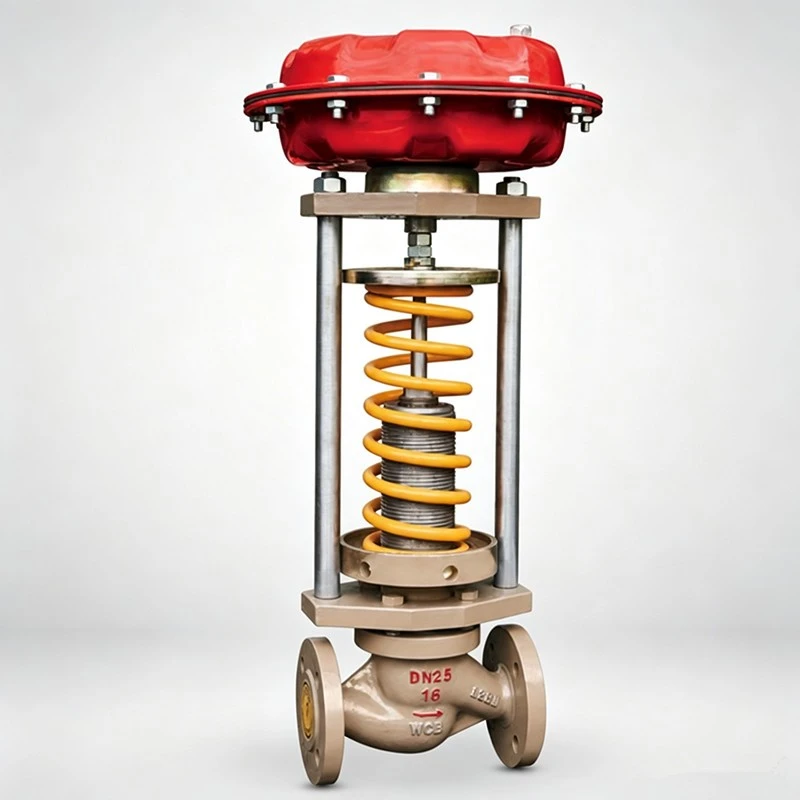
A Self-operated Pressure Control Valve is a fully mechanical pressure regulating valve. It does not need positioners, PLC control signals or air supply systems. The valve senses pressure from pipelines. It drives valve plugs to adjust opening sizes through springs, diaphragms or piston structures. Factories often pick this valve when they only need stable pressure without full automatic control loops. Most utility pipelines just require pressure to stay within safe and usable ranges. A self-operated pressure regulator cuts wiring work, instrument costs and air supply demands. It also simplifies daily site maintenance.
This valve has two working modes: pressure reducing mode and back pressure holding mode. The pressure reducing type keeps downstream pipeline pressure steady. The back pressure type maintains preset pressure in upstream pipelines. These two modes have different internal structures. Buyers must confirm flow directions, pressure sensing points and spring ranges before production.
The core question for buyers is clear: Can this valve keep pressure steady after installation? Yuhong's team checks all working data first to answer this question. Our staff verify medium type, temperature, inlet pressure, outlet or set pressure, flow range, pipe size and on-site pipeline layout. These details help us confirm valve structure, spring range, actuator chamber size, trim flow capacity and connection types.
Technical Parameters
|
Item |
Standard Options & Custom Range |
|
Product Name |
Self-operated Pressure Control Valve |
|
Other Name |
Self Acting Pressure Regulator / Self Operated Pressure Regulating Valve |
|
Main Function |
Pressure reducing / back pressure control / upstream pressure holding |
|
Valve Structure |
Direct acting structure or pilot-operated structure |
|
Size Range |
DN15-DN300 / 1/2"-12" |
|
Pressure Rating |
PN16-PN100 / ANSI Class 150-Class 600 |
|
Body Material |
WCB, CF8, CF8M, WC6, WC9, special alloy |
|
Trim Material |
304, 316, 17-4PH, Stellite hard facing, custom material for special projects |
|
Seat Type |
Metal seat / soft seat, matched to actual working conditions |
|
Connection Type |
Flanged, threaded, butt weld, customized connection forms |
|
Control Element |
Diaphragm actuator, piston actuator, spring-loaded actuator |
|
Pressure Setting |
Tuned according to required set pressure and matched spring range |
|
Applicable Media |
Steam, air, nitrogen, industrial gas, water, oil, clean industrial fluid |
|
Temperature Range |
Decided by body material, sealing structure and actuator design |
|
Leakage Class |
ANSI/FCI 70-2 Class IV, Class V, or customized standards per project needs |
|
Main Standards |
ISO 9001, IEC 60534, ASME B16.34, ASME B16.5, ANSI/FCI 70-2 |
|
Optional Parts |
Pressure gauge, filter, Y-strainer, impulse pipe, bypass valve, manual valve |
Product Features
No External Power Required
The valve takes medium pressure as its driving force. It needs no electric power, air supply, signal cables or control cabinets for normal operation.
This feature fits outdoor stations, remote pipelines, utility rooms and small process systems well. Buyers can lower total costs for each pressure control point. The whole system also becomes easier to operate.
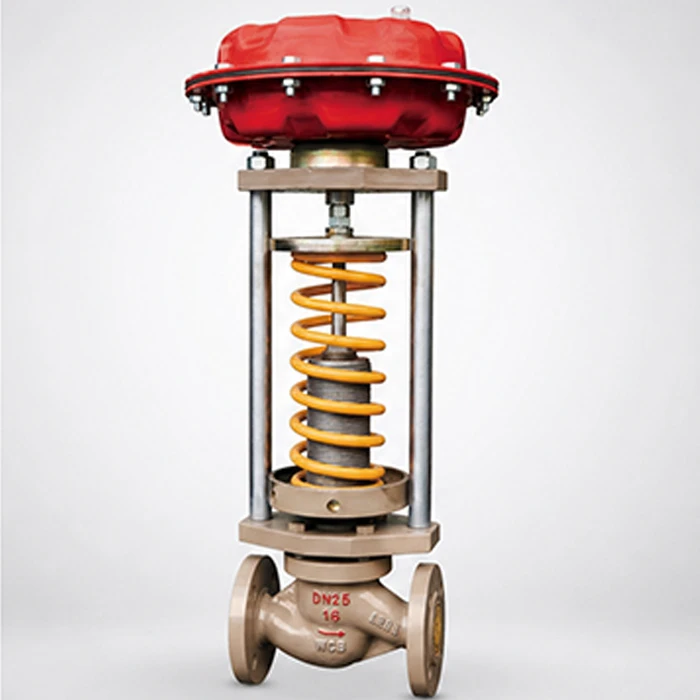
Simple Mechanical Pressure Regulation
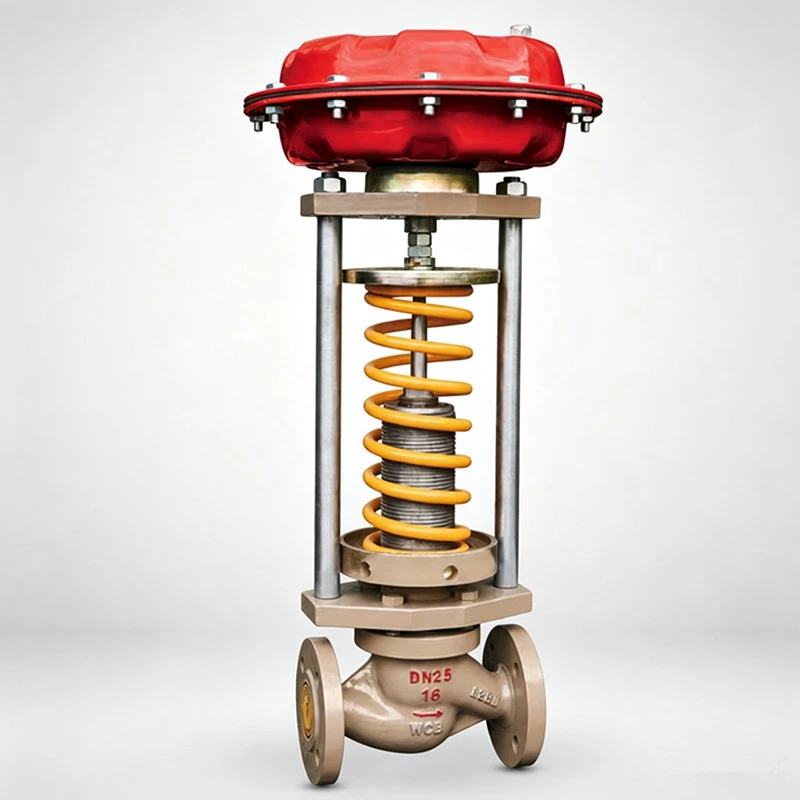
The valve tracks pressure changes through diaphragms, pistons or spring-loaded actuators. When pressure shifts, the valve plug moves and changes the fluid flow area. The valve then holds pressure near the preset range.
Field operators can easily understand this simple structure. Daily inspection work also becomes more straightforward than work for full automatic control loops.
Two Working Modes: Pressure Reducing & Back Pressure Holding
Users choose the pressure reducing type when they need to lower high inlet pressure before fluid enters equipment. Workers widely install this type on steam, air, nitrogen, fuel gas and water pipelines.
Users choose the back pressure type when they must lock stable upstream pressure. Installers usually place this valve before return lines, discharge points and branch lines that need a minimum upstream pressure.
Yuhong's team confirms the working mode before production. This step avoids wrong flow directions, misplaced sensing points and mismatched spring ranges.
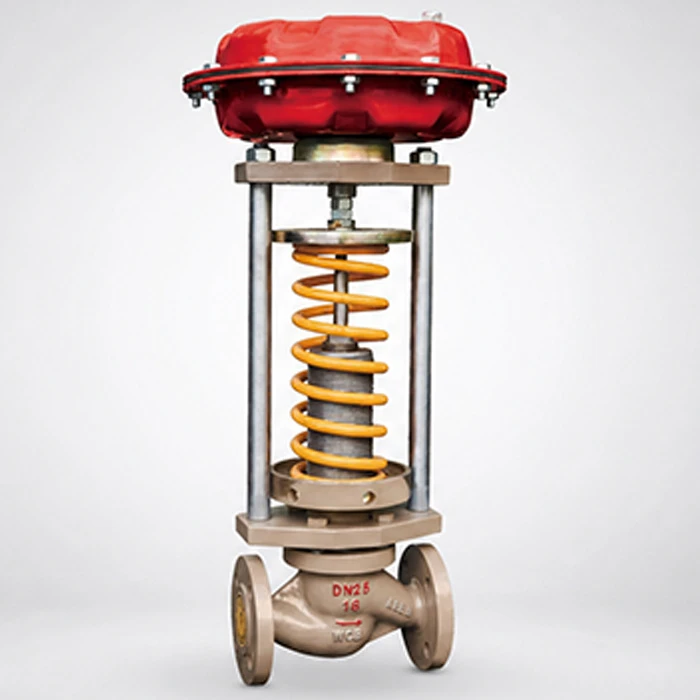
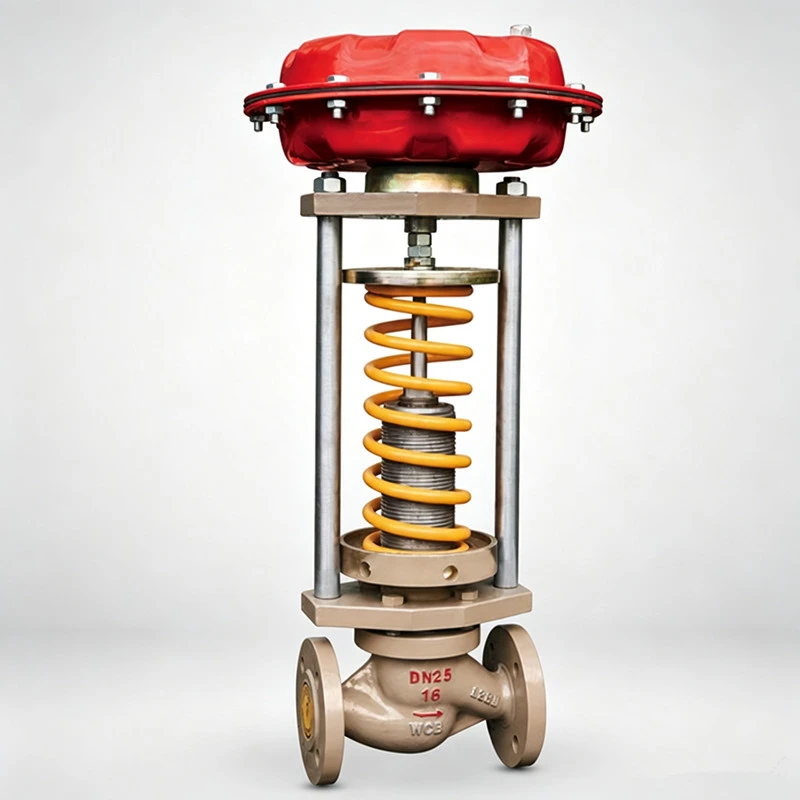
Great Practical Value for Factory Utility Lines
Most factory utility systems do not need fast remote signal control. They only demand stable, safe and easy pressure control. A Self-operated Pressure Control Valve perfectly fits this demand.
Factories often install this valve in steam stations, compressed air networks, nitrogen systems, heating branches, water supply pipelines, fuel gas systems and packaged equipment.
Product Value For Buyers
This valve cuts total costs for local pressure control systems. A standard pneumatic control valve requires supporting air supply for actuators, positioners, signal cables, controllers and professional commissioning. A self-operated valve removes most of these extra parts and construction steps.
This valve also eases daily maintenance work. Factory staff check springs, diaphragms, sensing lines, valve seats and plugs during routine service. Most faults stay visible and simple to locate.
Distributors enjoy a broad market for this product. Steam plant operators, gas station workers, water system contractors, heating project builders, nitrogen pipeline managers and equipment manufacturers all buy this valve. Single factories often need multiple pressure control points, so repeat orders happen frequently.
End users gain steady local pressure control as the biggest benefit. The valve protects downstream equipment, limits pressure fluctuation and keeps the whole system running within a safe working range.
Application Fields
Steam systems
The valve reduces pressure before heat exchangers, dryers, reactors, heating coils and factory utility branch pipes.
Compressed air systems
The valve locks stable air pressure before production equipment and local work stations.
Nitrogen systems
The valve adjusts pressure for equipment sealing, purging, nitrogen blanketing and factory utility supply.
Water systems
The valve lowers pipeline pressure before tanks, filters, pumps and process equipment.
Heating networks
The valve regulates branch pressure and balances pressure distribution across the full heating system.
Fuel gas systems
The valve controls gas pressure before burners and gas-consuming equipment. Buyers must double-check sealing materials and safety standards for fuel gas working conditions.
Production And Inspection
Yuhong's workers inspect bodies, bonnets, plugs, seats, stems, diaphragm chambers, springs and sensing parts during production. Each spring range must match the set working pressure. Each diaphragm or piston area must fit the pressure thrust from medium. Every plug must move smoothly without jamming.
Workers machine and test all seat surfaces before assembly. The actuator unit also receives strict testing. Weak springs, defective diaphragms or blocked impulse lines will break normal regulating performance.
Every valve passes shell pressure testing, seat leakage testing, movement testing and appearance inspection before shipment. For project orders, Yuhong can supply drawings, material certificates, pressure test reports, inspection photos and packing photos.
All production follows the ISO 9001 quality management system. Workers can produce products according to IEC 60534, ASME B16.34, ASME B16.5, ANSI/FCI 70-2, GB and customized project standards.
Installation And Use Notes
Workers must install the valve following the flow direction marks on the valve body. Staff should fully clean pipelines before installation. Dirt, welding slag, rust and solid particles will scratch valve seats or block sensing lines.
Workers usually fit a strainer in front of the valve for steam service. Operators must drain condensate fully. Condensate inside sensing lines or actuator chambers will slow down the valve's pressure response.
Workers must keep gas pipelines clean and dry for gas service. Operators should avoid water hammer for liquid service. Strong pressure shocks will damage trim parts and shift preset pressure values.
Operators adjust set pressure slowly during commissioning. They check inlet pressure, outlet pressure, flow changes and valve movement at the same time. If the valve shows pressure hunting, workers must inspect sensing lines, spring ranges, valve flow capacity and process pressure fluctuation together.
Packaging And Shipping
Yuhong's staff pack self-operated pressure valves inside export wooden cases. Workers cover all flange faces with protective caps. Staff fix valve bodies and actuators firmly inside each case. Small accessories such as pressure gauges, impulse pipe fittings and loose parts get separate packaging with clear labels.
Workers add moisture-proof packaging for sea shipments. Each wooden case carries printed marks for model number, size, pressure rating, order number and customer shipping marks.
Yuhong can send packing photos before shipment. These photos help buyers check goods before loading and simplify receiving work in warehouses.
Purchase Notes For Project Buyers
A Self-operated Pressure Control Valve looks simple, but it still needs complete correct working data. Buyers should not select this valve only by pipe size.
The set pressure is the first detail to confirm. Buyers then check inlet pressure, outlet pressure, flow range, medium type, temperature and flow direction. These details decide whether the valve can hold pressure smoothly.
The pressure sensing point also carries great importance. Overlong, blocked or wrongly installed impulse lines will weaken the valve's pressure response. Pressure fluctuation problems sometimes come from poor pipeline layout, not the valve itself.
Yuhong's team reviews all these details before production. Our staff will offer a simple, practical plan if a self-operated valve meets the demand. Our team will recommend pneumatic or electric control valves instead if the process requires fast response, remote control or higher regulating accuracy.
FAQ
Q1: Does This Valve Need Electricity Or Compressed Air?
A1: No. The valve uses pipeline pressure and spring force to work. It needs no external power for normal pressure control.
Q2: Can This Valve Reduce Steam Pressure?
A2: Yes. Factories widely use it for steam pressure reduction. Our team will check temperature, pressure range, condensate treatment and installation layout before production.
Q3: What Difference Exists Between Pressure Reducing Control And Back Pressure Control?
A3: Pressure reducing control keeps downstream pressure at a fixed value. Back pressure control locks upstream pressure at a fixed value. Buyers must confirm valve structure and flow direction before placing orders.
Q4: Why Does Pipeline Pressure Keep Fluctuating After Installation?
A4: Pressure fluctuation comes from many causes. Common reasons include mismatched spring ranges, oversized trim capacity, unstable flow, blocked sensing lines, dirt on valve seats or pipeline pressure shocks. Workers need to check both pipeline conditions and the valve itself.
Q5: Can Workers Adjust The Set Pressure On Site?
A5: Yes. Staff can make small adjustments within the matched spring range. Workers need to replace springs or actuator parts if the target pressure falls outside this range.
Q6: Do Installers Need A Strainer Before The Valve?
A6: We recommend a strainer for steam, water and dirty gas service. Dirt will scratch valve seats or block impulse lines. Clean medium extends the valve's service life.
Q7: What Information Do Buyers Need To Provide For Quotations?
A7: Please send us medium type, working temperature, inlet pressure, outlet or set pressure, flow range, pipe size, connection standard and control purpose.
Q8: What Spare Parts Work Well For Long-Term Use?
A8: Common spare parts include diaphragms, springs, plugs, seats, packing, gaskets and impulse pipe fittings. Buyers can keep a small spare parts kit for important pressure control points.
Why Choose Yuhong Valve
Self-operated pressure control involves more than just opening and closing a valve. The valve must match pressure ranges, spring thrust, diaphragm area, trim flow capacity and real pipeline conditions all at once.
Yuhong's team checks all these details before production. Our staff first confirm the core control purpose. Does the valve lower downstream pressure? Does it hold upstream pressure? Does it protect equipment from overpressure? Each answer decides the final valve structure.
Many users pick this valve to cut instrument numbers and reduce on-site construction work. Yuhong's team uses simple, reliable designs when basic pressure control meets demands. Our staff explain all potential risks to buyers before order confirmation if working conditions become complex.
Distributors can sell this valve easily across all utility systems. It fits steam, gas, water, nitrogen, heating and packaged equipment projects. Yuhong supplies buyers with drawings, test reports, product photos, packing photos and full technical data to support sales work.
Yuhong stores full order records for repeat supply. Our staff can trace spring ranges, valve sizes, material types, set pressure values and actuator details for future spare parts or repeat orders.

Expert Valve Selection
Do you need a Self-operated Pressure Control Valve for steam, gas, water, nitrogen or factory utility pressure control?
Please send us your medium type, working temperature, inlet pressure, outlet or set pressure, flow range, pipe size and control purpose. Yuhong's technical team will review your working conditions and create a practical valve proposal for your project.
Hot Tags: self-operated pressure control valve, China self-operated pressure control valve manufacturers, suppliers, factory


